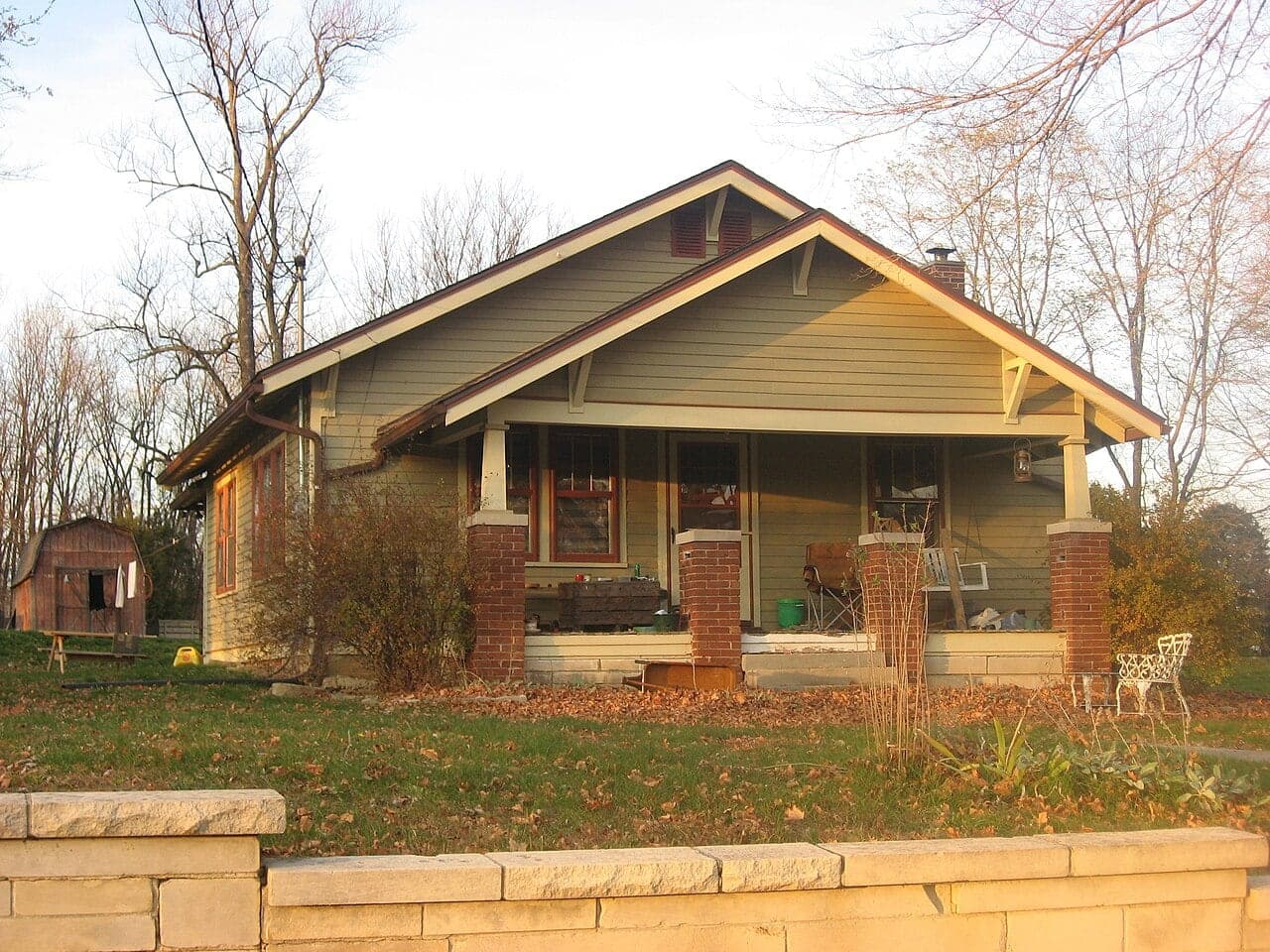
Pick the material first, then the color
Siding is a 20 to 50 year decision, and the material you choose limits which colors and textures are realistic. Settle the material question before you fall for a swatch, because a deep charcoal that looks great on fiber cement may be a poor idea on budget vinyl.
Lifespans below are typical ranges, not promises. Installation quality, sun exposure, moisture and how well the wall behind is detailed matter as much as the product.
- Vinyl lap: roughly 20 to 40 years, no painting, the widest range of light and mid tones. Very dark vinyl needs a product rated for it.
- Fiber cement: roughly 30 to 50 years, holds dark colors well, factory finishes often last 10 to 15 years before a repaint.
- Engineered wood: roughly 20 to 30 years with good maintenance, a convincing wood grain, needs sealed cut ends and clearance from grade.
- Cedar shakes and boards: 20 to 40 years or more with refinishing every few years, the most character and the most upkeep.
- Metal panels, stone and brick veneer: long lived and low maintenance, often used as accents on a gable, a bump-out or the lower third of a wall.
Why the same color looks different on your wall
Siding color shifts with orientation. A north-facing front gets cool, even light all day and tends to make greys read bluer and whites read flat. A south or west-facing front gets warm, strong light that washes out pale colors and makes beiges look yellow by late afternoon.
Texture and shadow lines also darken a color. A lap profile casts a small shadow under every course, so the wall as a whole reads a step darker than the flat chip. Board and batten and shakes do this even more. If you are torn between two shades, the lighter one is usually closer to what you pictured.
Check the undertone against what is staying: roof, brick, stone, window frames and the driveway. A grey with a green undertone can look muddy next to a warm brown roof, while a grey with a slightly warm base will sit comfortably with it.
Profile and layout change the look as much as color
Narrow lap exposures (around 4 to 5 inches) feel traditional and busy from the street. Wider exposures (6 to 8 inches) look calmer and more current. Dutch lap adds a decorative bevel that reads as older and more textured.
Vertical board and batten draws the eye up and suits farmhouse, cottage and modern forms. Many homeowners use it only on gables or an entry bump-out with lap siding elsewhere, which adds interest without committing the whole house to one look. Try both in the visualizer before deciding where each one goes.
Before you ask for quotes
Check whether your street is in a heritage conservation district or governed by a homeowners association. Both can restrict siding materials and colors, and approval can take weeks. Bring a printed render to that conversation, it makes the request concrete.
Order real sample boards and fix them to the house for a few days, ideally on the front and on the sunniest wall. Look at them in the morning, at midday and on an overcast day.
Cost depends on the size and height of the walls, how many corners and openings need trim, whether old siding must come off, the condition of the sheathing, added insulation board or house wrap, and access for ladders or lifts. Ask each contractor to price the same scope so quotes are comparable.