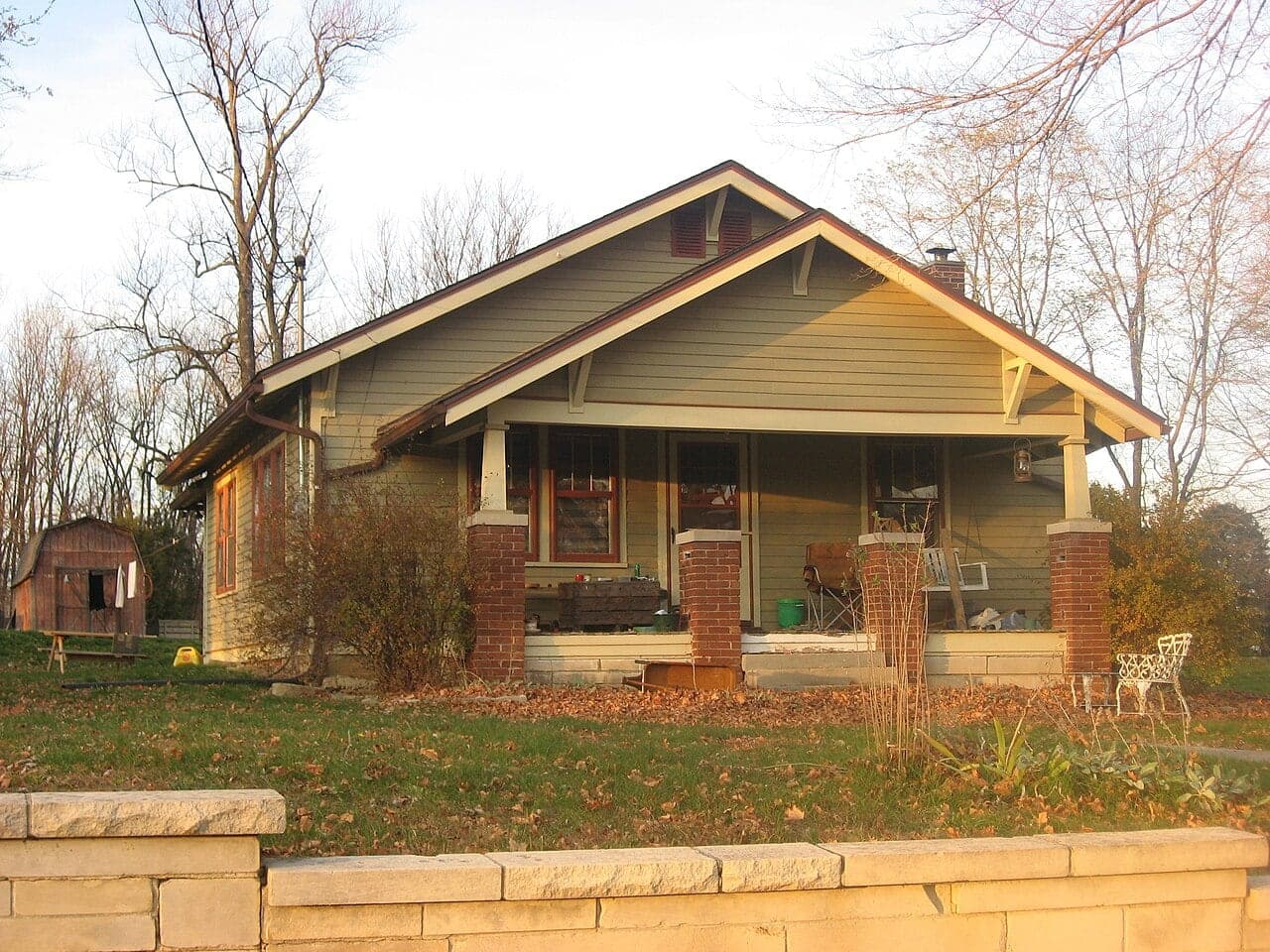
Frame color is the biggest visual change
Swapping white frames for black, bronze or a dark grey changes the character of a house more than almost any other single upgrade. Dark frames make windows read as graphic shapes and suit modern, farmhouse and many brick houses. White and cream frames look traditional and disappear into light siding.
Exterior and interior colors do not have to match. Many windows are available with a dark exterior and a white or wood interior, which keeps rooms bright.
Grilles and styles that suit your house
Grilles should match the age and style of the house. Colonial grilles suit center hall and Georgian houses, prairie grilles suit craftsman and some mid-century houses, and top-lite grilles in only the upper sash are a common craftsman detail. Contemporary houses usually look best with clear glass and no grilles.
In replacement work the window style is limited by the opening, but you still have choices. Casements give the clearest view and seal tightly, double hung suits traditional houses, and fixed picture windows are good where you do not need ventilation.
Black frames, heat and energy ratings
Dark frames absorb more sun. Vinyl in particular can expand and distort when very dark, so manufacturers use special dark-color formulations, laminates or painted finishes rated for it. Fiberglass and aluminum-clad frames handle dark colors more easily. Ask what warranty applies to the dark finish specifically.
For energy performance, compare the rating labels rather than the frame color. In Canada look for ENERGY STAR certification for your climate zone and the U-factor or Energy Rating; in the US look for the NFRC label with U-factor and solar heat gain coefficient. In cold climates, a lower U-factor generally means less heat loss.
Front doors: material, glass and sun
Steel doors are secure and economical, fiberglass resists denting and can mimic wood grain, and solid wood offers the richest look but needs refinishing. Dark doors in full sun can get very hot; adding a storm door over a dark door can trap heat and may void some door warranties, so check before you install one.
Glass adds light but reduces privacy. Frosted or textured glass and narrow lites are common compromises. Garage doors count too: on many houses they are a larger area than the front door, so pick a style and color that supports the entry rather than competing with it.
Planning a replacement project
Many homeowners replace windows in phases, starting with the front so curb appeal improves first. If you do, choose the exterior color for the whole house on day one; mixing frame colors on adjacent walls looks unfinished for years. Ask installers whether the job is an insert replacement, which keeps the existing frame and trim, or a full-frame replacement, which allows new casings and better air sealing but costs more.
Check heritage rules before ordering: some districts require wood windows or specific grille patterns on street-facing elevations. Lead times for dark or custom colors are often longer than for white, so allow for that in your schedule.