Exterior paint visualizer for the walls you already have

Repaint your house on screen first. The visualizer keeps your existing brick, stucco or siding texture and changes only the wall color.

Start with a photo of your house

Add a photo of your house

or drag a photo here.

For the best result

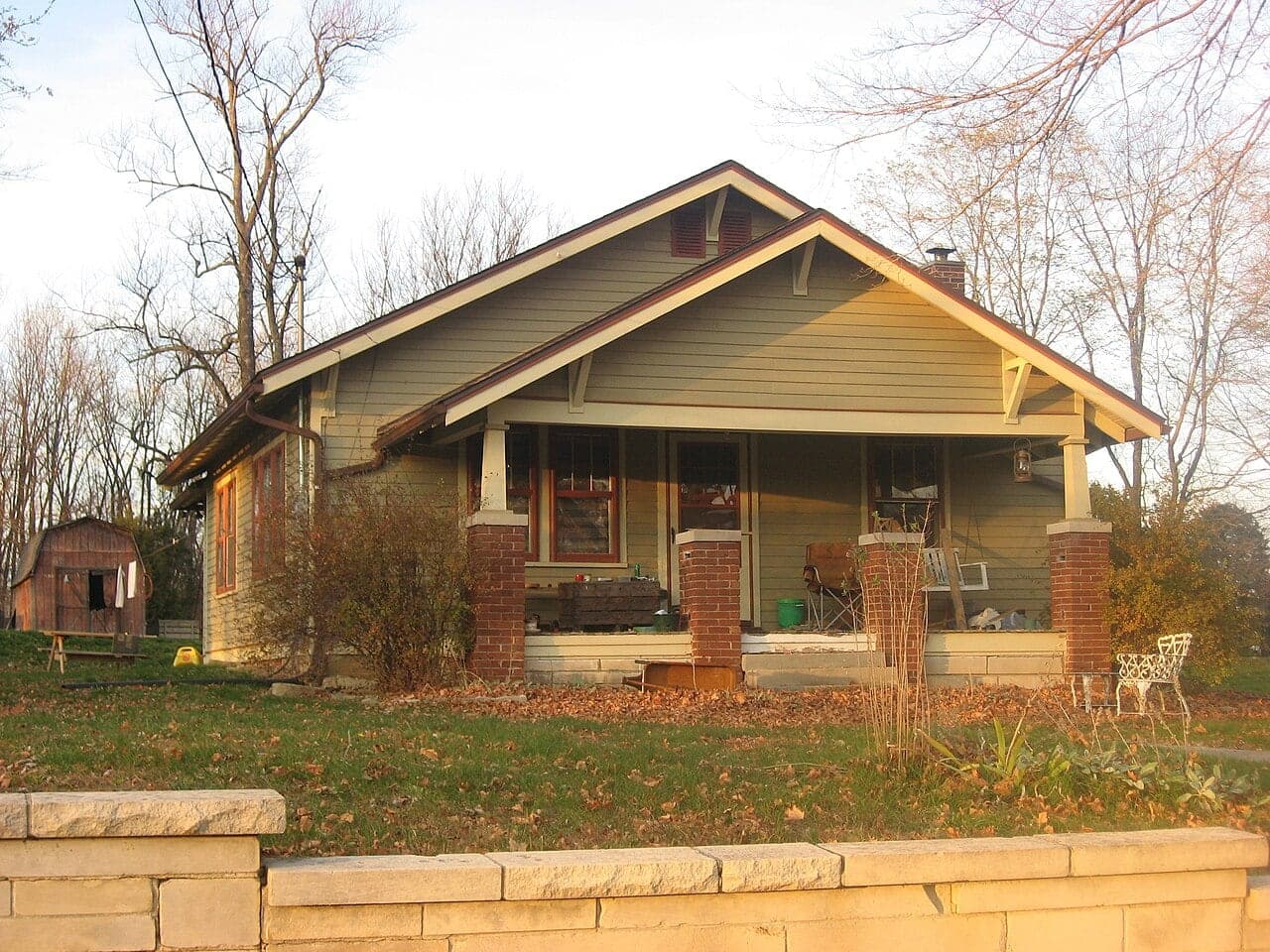
A good example: the whole front of a bungalow, straight on, in daylight
Whole front in frame, from across the street
Daylight, no harsh shadows
Location data removed before storage

What you are actually painting matters

Paint behaves differently on every wall material, and the right product and prep depend on what is under it. The visualizer preserves the texture of the wall so you can judge how a color reads on brick courses or stucco, not on a flat chip.

  • Wood siding: the classic candidate. Expect a repaint roughly every 7 to 10 years depending on sun and the quality of prep.
  • Vinyl siding: can be painted with products made for vinyl. Many manufacturers restrict how dark you can go, because dark colors absorb heat and can warp panels.
  • Brick: once painted it is very hard to undo. Breathable mineral paints and limewash let moisture escape better than standard film-forming paint.
  • Stucco: needs a breathable or elastomeric coating suited to its condition. New stucco has to cure before painting, often for several weeks; follow the product's guidance.
  • Aluminum siding: paints well after cleaning off chalky oxidation and priming where needed.

Sheen changes how the color looks

Flat finishes hide surface flaws and look soft and chalky in a good way, which suits brick, stucco and older wood. Satin has a gentle sheen that is easier to wash and reads slightly richer. Glossier finishes are usually kept for trim and doors, where a little shine helps the details stand out.

Limewash is its own look: mottled, with movement and some brick showing through over time. It wears gradually and is commonly refreshed every 5 to 7 years, which some owners see as a feature rather than a chore.

Test in the light your house really gets

Exterior colors almost always look lighter and brighter outdoors than on an indoor chip, often by a full step. If you like a color indoors, try the next darker one outside too.

Paint two large sample boards, at least 2 feet square, and hold them against the wall rather than painting small patches directly on it. Move them between the front and a side wall, and look at them in the morning, late afternoon and under cloud. Orientation matters: north light cools colors, west light warms them.

In Canada and the northern US the painting season is short. Most exterior latex paints need air and surface temperatures above about 10 C (50 F) during application and drying, though some products are rated lower. Plan colors over the winter so you are ready in late spring.

Permissions and what affects cost

Painting brick on a designated heritage property often needs a permit, and some associations control body colors. Check before you book a painter.

Painting costs vary with wall area and height, how much scraping, washing and repair the walls need, the number of colors and trim details, and whether the surface needs special primer or masonry coatings. Brick and stucco prep, including repointing or crack repair, can be a large share of the job.

Color combinations to try

Soft greige and white

body
Warm greige
#B8AE9C
trim
Soft white
#F1EDE4
door
Deep charcoal
#3E4247

A forgiving neutral that works with most roof colors and suits stucco and painted brick alike.

Painted brick white with black

body
Chalk white
#EFE9DD
trim
Soft black
#25272A
windows
Weathered bronze
#4A3B2E

Keeps a slightly warm white so brick texture still reads, with dark trim for definition.

Muted olive stucco

body
Olive
#6E7254
trim
Cream
#E9DFC6
door
Clay
#A8624A

An earthy mid tone that hides dust on textured stucco and looks good against planting.

Classic blue grey

body
Harbor blue grey
#4A6378
trim
Bright white
#F4F5F2
door
Mustard
#C39A3E

A traditional choice for wood siding, with a warm door to balance the cool body color.

Hex codes are approximate on-screen matches. Enter any of them in the visualizer's color code box to try it on your house.

How to preview a new exterior paint color

  1. Upload your house photo

    Use a clear daytime photo that shows the main walls. Shade from trees is fine, but avoid harsh midday glare if you can.

  2. Choose a finish

    Pick flat, satin or limewash. The visualizer keeps your brick, stucco or siding texture under the new color.

  3. Pick the body color

    Choose a catalog color or enter the hex code from a paint chip you already like. Add a trim color as a second change to see the full look.

  4. Compare and decide

    Use the before and after slider, render one or two alternatives, then download your favorite to bring to the paint store or your painter.

Frequently asked questions

Can I see what my brick house would look like painted?

Yes. Choose the paint category and the visualizer recolors the brick while keeping its shape and mortar lines visible. Because painting brick is hard to reverse, it is worth rendering a few options before committing.

Does the render show the exact paint color I will get?

No render can promise that. It is an AI approximation, and screens, phone cameras and daylight all shift color. Always buy a sample, paint a large board and look at it on the house before choosing.

Can I enter a paint color from a store chip?

Yes. Most paint makers publish a hex or RGB value for each color, and you can type the hex code into the custom color field. The render will be close but should still be checked against a real sample.

Will the tool paint my roof or stone accents too?

No. The paint change is limited to the main walls. The roof, glass, stone accents and driveway stay as they are in your photo.

Which sheen should I choose for exterior walls?

Flat or low sheen finishes are common for walls because they hide imperfections, while satin is easier to clean. Trim and doors are often a step glossier. Check what the paint maker recommends for your surface.

Updated October 29, 2026.