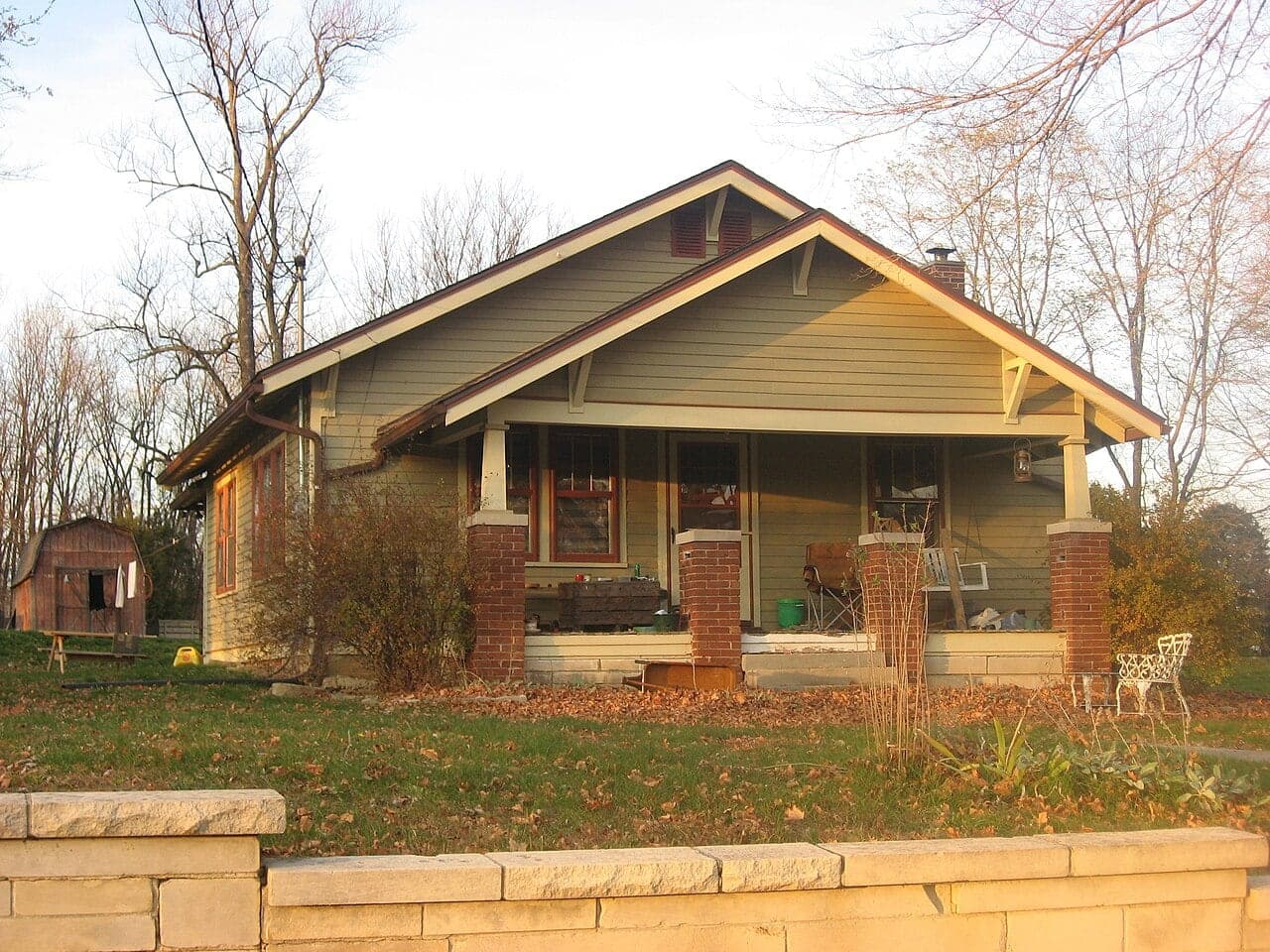
Three ways to change brick color
- Paint: an even, opaque color. Choose a breathable masonry paint, such as a mineral or silicate product, rather than standard film-forming house paint.
- Limewash: a mineral finish that soaks into the brick and wears gradually, giving a soft, mottled look. Often refreshed every 5 to 7 years.
- Whitewash or German smear: thinned paint or mortar applied unevenly so some brick shows through. More rustic and more permanent than limewash.
Check the brick before you paint
Brick needs to dry. Paint that traps moisture can cause the brick face to flake or spall, especially through freeze-thaw cycles common in Canada and the northern US. Look for signs of moisture first: white salt deposits (efflorescence), crumbling mortar, or spalled bricks. Fix gutters, grading and mortar before applying anything.
Older, softer brick, common on houses built before the mid twentieth century, is more vulnerable to trapped moisture. Many heritage authorities discourage or regulate painting original brick, so check for a heritage designation or district before you plan.
Once painted, brick will need repainting periodically, usually every 10 to 15 years for good masonry paint, and removing paint later is difficult and can damage the face.
Colors that suit painted brick
Warm whites are the most popular because they keep the texture of the brick visible and look good with black or bronze windows. Soft greys and greiges show the mortar lines gently. Deeper colors like charcoal, olive or navy look rich on brick, but they show any patchiness in coverage and fade faster in sun.
Mortar lines remain visible after painting, so the wall still reads as brick. Flat or matte finishes suit brick far better than satin or gloss.
Pairing trim, windows and roof
White painted brick with black windows and a black or charcoal roof is the modern farmhouse version. Warm white with bronze windows and a brown roof is softer and more traditional. If the roof is brown or the windows are almond, avoid stark whites; a creamy white will make those fixed elements look intentional.
Try limewash and flat paint on the same photo in the visualizer to see how much texture you want to keep.
Cost factors and who should do the work
Painting brick is more work than painting siding. Costs depend on wall area and height, cleaning and repointing needs, primer and the type of masonry coating, and the number of coats. Limewash is often less expensive per coat but needs more frequent refreshing.
Because mistakes are hard to undo, many homeowners hire a painter or masonry specialist with brick experience. Ask how they will test for moisture, which product they will use and whether it is breathable. A small test area on a side wall, left through a winter, is a cautious way to see how the brick and coating behave.
Ask for a written description of prep work in each quote, since cleaning, crack repair and repointing are where quotes differ most and where shortcuts cause problems later.