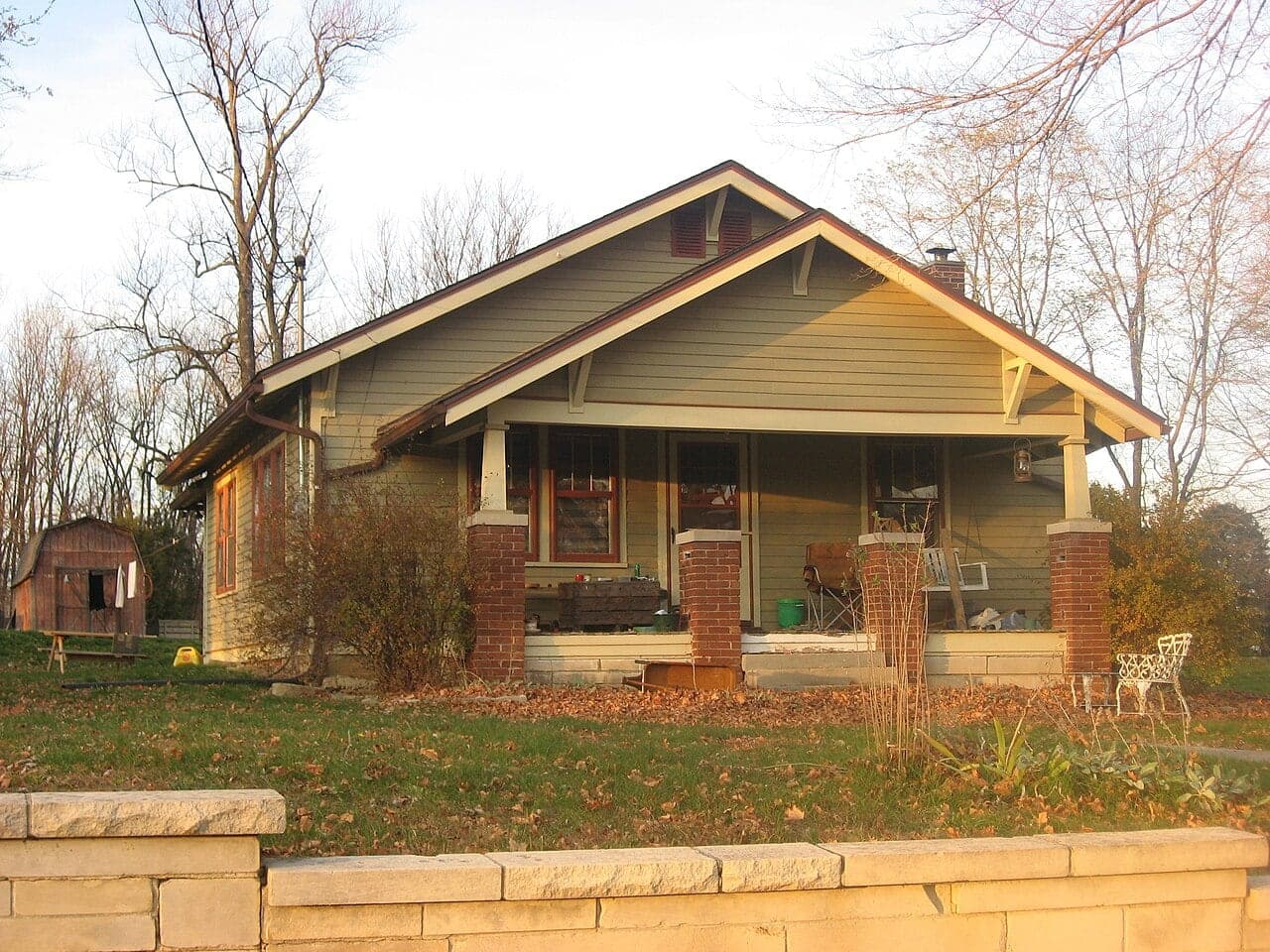
Match the white to the brick's undertone
Brick is rarely one color. Most red brick has orange, pink or brown in it, and the mortar adds its own grey or buff tone. A stark, blue-leaning white beside warm brick exaggerates the orange and can make the white look harsh. A slightly warm white, one with a little cream or beige in it, usually blends better.
Cool brick, such as grey, charcoal or brown-black, is the exception. These pair well with cleaner whites because there is little warmth to clash with.
- Orange or bright red brick: warm whites and soft creams.
- Deep red or burgundy brick: warm white or a clean off-white.
- Brown or tan brick: creamy whites; avoid very bright whites.
- Grey or dark brick: bright or neutral white.
Where the siding goes changes the look
The most common layouts are brick on the lower level with siding above, brick on the front only with siding on the sides, and siding on gables and dormers. On split-level and two-storey houses, a horizontal break line that lines up with a floor or window head looks intentional; a break that floats in the middle of a wall looks like a patch.
Our visualizer treats the main walls as one surface, so on a mixed facade the render shows white siding across the cladding. Use it to judge the white itself, then compare it side by side with your original photo or hold a brick sample against the screen. You can also render the paint option to see a white wash on the brick for contrast.
Trim, gutters and mortar
Matching trim and siding in the same white gives the calmest result. Contrasting trim, such as black or bronze, works if your windows are already dark. Gutters and downspouts are easy to overlook; on a brick wall a white downspout can stand out sharply, so consider matching downspouts to the brick or mortar instead.
Look at the mortar before you finalize. If it is a buff or tan mortar, a creamier white will tie in; with a light grey mortar, a neutral white often looks cleaner.
Material notes
White is the easiest siding color to live with in sun: it shows the least fading on vinyl and keeps panels cooler. It shows dirt and mildew more, especially on the north side, so plan a gentle wash every year or two. Fiber cement in white is often repainted after about 10 to 15 years; vinyl is not repainted but may yellow slightly with age on cheaper products.
If your house is in a heritage district, adding siding over or beside original brick may need approval.
Testing the pairing
Hold your siding sample against the brick itself rather than viewing them separately. Look in the morning, at midday and on an overcast day; whites shift more than any other color with light. If two whites look nearly identical on the board, choose the one with slightly more warmth for red or orange brick, since outdoor light tends to cool and bleach whites.
Render the white on your photo and compare it with the before view; if the brick in the original looks more orange beside the render, try a warmer white.