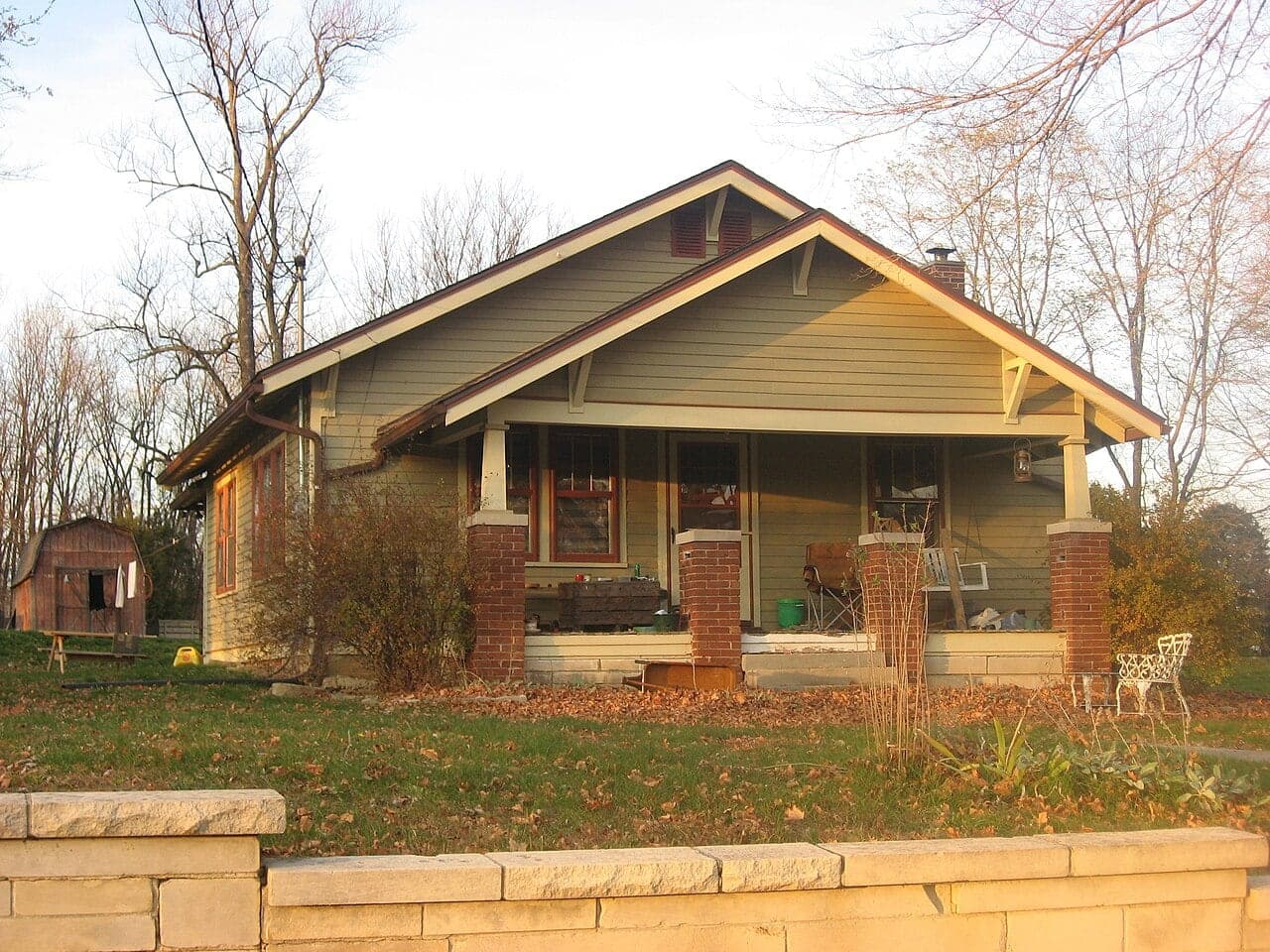
Choose a roof color that outlasts your paint
Asphalt shingle roofs commonly last around 20 to 30 years and metal roofs often 40 years or more, so the roof will likely see two or three wall color changes. A roof in a neutral, slightly blended color keeps your future options open; a strongly colored roof narrows them.
Match undertone first. Red or orange brick looks best with roofs that lean warm or neutral: brownwood blends, weathered greys with some brown in them, or charcoal. Cool grey or white siding pairs naturally with true greys and black. Tan and cream siding usually prefers brown, driftwood or warm grey roofs over blue-greys.
Shingle blends versus solid metal colors
Architectural shingles are made of mixed granules, so a single color name is really a blend of two to four tones with shadow lines. Up close they look busy; from the street they settle into one color, usually a bit lighter than the sample. Look at a full bundle or a finished roof nearby, not a single shingle.
Metal roofing is one solid painted color with a visible seam pattern. It reads more uniform and more modern. Darker metal colors such as charcoal, black and dark bronze are popular; higher quality resin-based coatings generally hold their color and resist chalking for longer than basic polyester paints. Bare silver and copper are their own category: copper darkens and eventually develops a green patina.
Heat, snow and climate
Lighter roofs reflect more sunlight and stay cooler, which helps most in cooling-dominated climates. In most of Canada and the northern US, heating dominates the year, so roof color has a smaller effect on annual energy use than attic insulation and ventilation do. That makes appearance a fair basis for choosing color here.
Color does not cause ice dams; heat escaping from the house melts snow that refreezes at the cold eaves. Air sealing, insulation and ventilation fix ice dams. Metal roofs of any color shed snow more readily than shingles, so plan snow guards over doors, walkways and decks.
In humid areas, dark algae streaks show most on light shingles. Many shingles now include algae-resistant granules; ask if that matters on a shaded roof.
Checks before you order
Some associations and heritage districts regulate roof materials and colors, and a few insurers or municipalities have rules on roofing class. Confirm early.
Ask your roofer for a full sample board or the address of a nearby roof in the same color. Cost depends mainly on roof area, pitch, the number of layers to tear off, deck repairs, valleys, chimneys and skylights to flash, and the material you choose.
Matching the roof to fixed details
Gutters, flashing, skylight frames and vent covers are all visible on a new roof. Ask your roofer to match drip edge and exposed flashing to the gutters or the roof color, and plan to paint vent stacks the roof color so they disappear. Chimney brick and stone should also be considered when choosing; a roof that suits the walls but clashes with a prominent chimney will still look wrong from the street.